Net Safety™ Millennium II ST3 XChem Toxic Gas Sensors
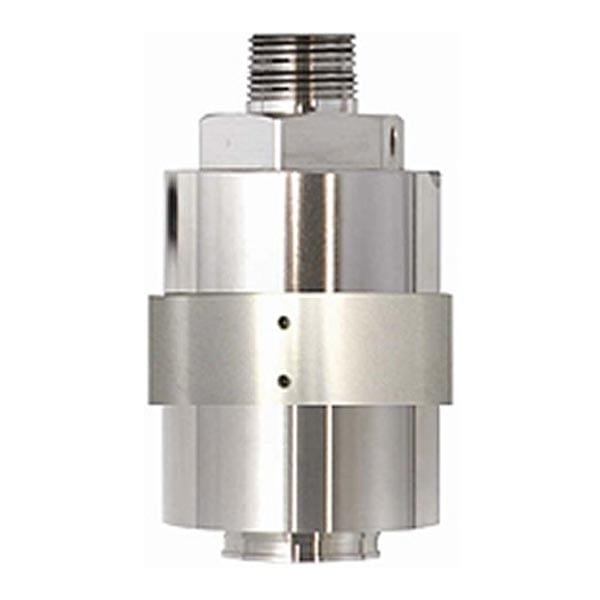
The Net Safety Millennium II ST3 XChem Toxic Gas Sensor provides high-specificity toxic gas detection using electrochemical sensing technology designed for demanding industrial environments. As part of the Net Safety Millennium II gas detection platform, the ST3 XChem series is compatible with the Net Safety Millennium II M21, M22, and M2B transmitters, allowing facilities to build flexible fixed gas detection systems based on site-specific monitoring requirements.
ST3 XChem sensors are designed to support fast response, long sensor life, low power consumption, and reliable performance in environments where toxic gas monitoring is critical for worker safety and process protection. The SimpleClick sensor design allows the transmitter to automatically recognize the sensor configuration, helping reduce installation time and simplify sensor replacement.
Available configurations include sensors for hydrogen sulfide, carbon monoxide, and oxygen deficiency detection. Additional ST3 XChem toxic gas sensor configurations may be available; please contact Westech Industrial for current options.
Westech Industrial offers Net Safety toxic gas detection products in BC, AB, and SK, along with technical consultation, service support, and custom fabrication capabilities. Our team can help with sensor selection, gas detection system design, custom enclosures, panels, and integrated solutions for industrial safety applications.

Quantity
PRODUCT FEATURES
REQUEST FOR INFORMATION
Description
Electrochemical Toxic Gas Detection
The ST3 XChem series uses electrochemical sensing technology to detect target gases with strong specificity. As a result, it supports reliable toxic gas monitoring in demanding industrial environments. Each XChem toxic gas sensor is designed for fixed gas detection applications where accurate readings matter. Therefore, facilities can use it to help protect personnel, equipment, and process areas.
Millennium II Transmitter Compatibility
ST3 XChem sensors work with the Net Safety Millennium II gas detection platform. They are compatible with M21, M22, and M2B transmitters, depending on the selected configuration. This compatibility gives facilities more flexibility when designing new systems or updating existing detection points. Additionally, users can configure single- or dual-channel systems to suit different monitoring needs.
SimpleClick Plug-and-Play Sensor Design
The SimpleClick design helps simplify installation and replacement. Emerson calibrates the sensors at the factory before shipment. Then, the Millennium II transmitter automatically recognizes the installed sensor. It also uploads the correct configuration profile. As a result, teams can reduce setup time and minimize configuration errors during maintenance.
Sensor End-of-Life Diagnostics
Electrochemical sensors require replacement as part of their normal lifecycle. Therefore, the ST3 XChem series includes sensor end-of-life diagnostics. This feature monitors the health of the sensor cell. Then, it provides a fault alert when the sensor needs replacement. This helps maintenance teams plan service before detection reliability becomes a concern.
Single or Dual Channel Flexibility
A single Millennium II transmitter can support one or two sensors. Users can connect toxic gas sensors, combustible gas sensors, or both. This flexibility helps facilities reduce the need for multiple gas-specific detectors. It also allows teams to match sensor types to site hazards more efficiently.
Improved Triple Electrode Design
Each sensing element uses sensing, reference, and counter electrodes. These electrodes use robust materials to support long life and dependable performance. In addition, the design helps the XChem toxic gas sensor maintain stable operation in challenging conditions.
Field-Selectable Gas Ranges
Applicable sensor configurations support field-selectable gas ranges. This allows users to adjust the detection range based on application needs. As a result, facilities can better align sensor performance with site-specific toxic gas hazards.
Long-Range Sensor Separation
ST3 XChem sensors can be installed up to 2,000 ft. from the transmitter. This setup uses 18 AWG cabling and digital communication. Therefore, teams can place the sensor near the hazard while keeping the transmitter accessible. This is useful in large facilities and hard-to-reach monitoring areas.
Advanced Environmental Immunity
Each sensor is temperature compensated for its target gas and selected gas range. Also, an advanced diffusion process helps control humidity effects. A hydrophobic barrier supports stable gas readings in harsh environments. Together, these features help improve confidence in gas concentration measurements.
Low Power Consumption
The ST3 XChem series uses low power during operation. This helps reduce system load in fixed gas detection applications. As a result, the XChem toxic gas sensor supports efficient, reliable toxic gas monitoring across industrial sites.
Applications
The Net Safety Millennium II ST3 XChem Toxic Gas Sensor is suitable for industrial environments where toxic gas detection is required to support worker safety, process safety, and regulatory compliance. Its transmitter compatibility, long-range sensor separation, and field-serviceable design make it well suited for both new installations and upgrades to existing gas detection systems.
Common applications include:
- Refineries
- Chemical plants
- Water and wastewater treatment facilities
- Mining operations
- Pulp and paper facilities
- Power generation plants
- Industrial process areas requiring toxic gas monitoring
- Remote or hard-to-access monitoring points where sensor separation from the transmitter is beneficial
Documents

Manufacturer info
Emerson concentrates on the most complex and profound challenges facing the world in the process, industrial, commercial and residential markets. We refocused our business portfolio to deliver solutions that bring greater value to our customers. Learn how we’ve transformed and why.