Penberthy N2, N7 & K2 Tubular Gaugecocks
The Penberthy N2, N7 & K2 Tubular Gaugecocks provide direct visual liquid level indication for low to medium pressure process applications. These Penberthy tubular gaugecocks hold each end of a transparent sight glass tube. Together, the gaugecocks and glass create a clear, easy-to-read liquid level reference.
Operators can view the liquid level directly at the vessel. They can also inspect visible fluid characteristics without electronic aids. Since the gauge assembly needs no electrical power, it supports remote locations and operations where power interruptions can occur.
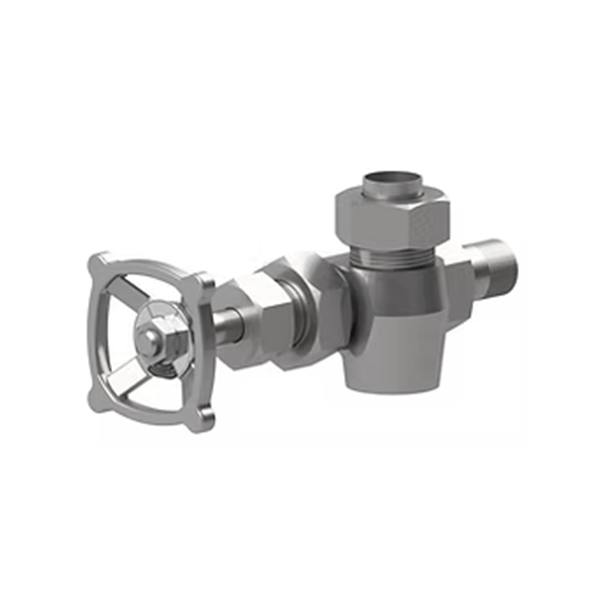
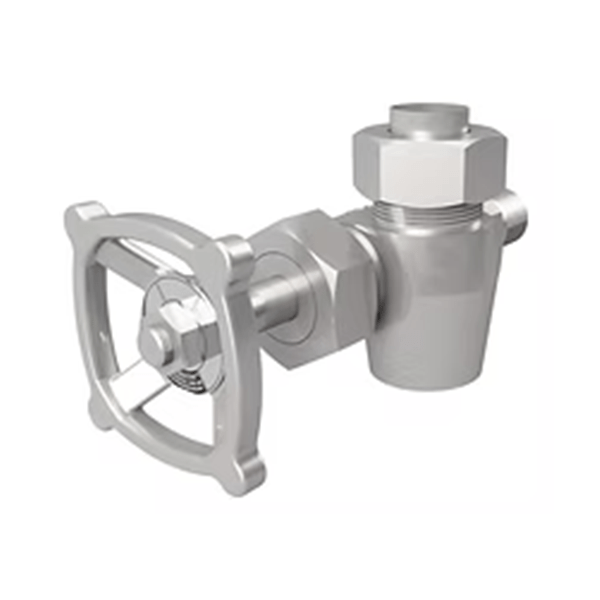
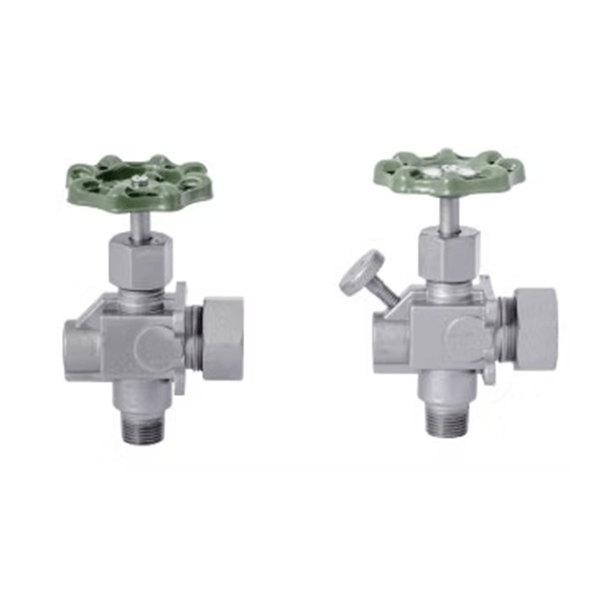
The N2 and K2 Series use an offset pattern design. This design helps maintenance teams clean through the tubular glass with less disassembly. The N7 Series uses a straight pattern design with an integral bonnet, rigid vessel connection, and integral drain cock.
Westech Industrial offers Penberthy tubular gaugecocks in Western Canada, including British Columbia, Alberta, and Saskatchewan. In addition, Westech can support product selection, service requirements, and custom fabrication needs for broader level indication or packaged system projects.
Quantity
PRODUCT FEATURES
REQUEST FOR INFORMATION
Description
Direct Visual Level Confirmation
Penberthy tubular gaugecocks create a clear, easy-to-read level reference when paired with tubular glass. Operators can view the liquid level directly at the vessel. They can also inspect liquid colour, clarity, foaming, or other visible fluid characteristics. Because the gauge assembly needs no electrical power, it also supports remote locations and blackout-sensitive sites.
N2 and K2 Offset Pattern Cleaning Access
The N2 and K2 Series use offset pattern bodies for easier cleaning. When teams remove the vent and drain plugs, the gaugecock opens a straight passage through the glass. Then, maintenance personnel can pass a brush through the vent and drain path. This design helps reduce unnecessary disassembly while supporting clearer level visibility.
N2, K2 and N7 Model Choices
The N2 and K2 Series include N2A, N2B, N2C, K2A, K2B and K2C models. These models use steel or 316 stainless steel materials. They also support ½” to 1” connection sizes. The N2 Series includes an integral bonnet and integral seat. In contrast, the K2 Series uses a union bonnet and threaded renewable seat. The N7 Series includes N7A and N7B models. It uses a straight pattern design with an integral bonnet, rigid vessel connection, and integral drain cock.
Ball Check Shut-Off Protection
Penberthy tubular gaugecocks include ball check shut-off options that help limit fluid loss after accidental glass breakage. If the glass breaks, the pressure drop seats the ball checks. As a result, the gaugecocks help isolate the gauge from the vessel. In addition, selected ASME configurations use a vertical rising ball check in the lower gaugecock.
Flexible Materials and Connections
These gaugecocks support many process needs through material and connection choices. Body material options include carbon steel and 316/316L stainless steel. N7 configurations also include bronze and ductile iron options. Connection options include threaded, socketweld, union, solid shank, spherical union, and flanged styles. Therefore, teams can match the gaugecock to vessel design and project specifications.
Glass, Packing and Protector Options
The product line supports high pressure, heavy wall, and redline tubular glass. It also works with ⅝” and ¾” glass sizes. Guard rods and plastic protector options help protect the tubular glass while maintaining visibility. Additionally, stem and glass packing options help align each selection with the intended service.
Applications
Penberthy N2, N7 & K2 Tubular Gaugecocks support direct visual level indication in low to medium pressure applications. They work well where operators need simple level confirmation and visual fluid checks at the vessel.
- Oil and gas production
- Oil and gas transportation
- Refining applications
- Petrochemical processing
- Chemical processing
- Power generation
- Petroleum industry vessels
- General process industry tanks
- Remote or unpowered liquid level applications
- Steam boiler service when properly configured
Documents

Manufacturer Info
Penberthy is a trusted process instrumentation manufacturer known for direct reading liquid level gauges, flat glass gauges, gaugecocks, and related accessories. Its products support petroleum, chemical, natural gas, and general process applications where reliable visual level indication is required.
Website: https://www.penberthyprocess.com/