Net Safety™ Incus Ultrasonic Leak Detector
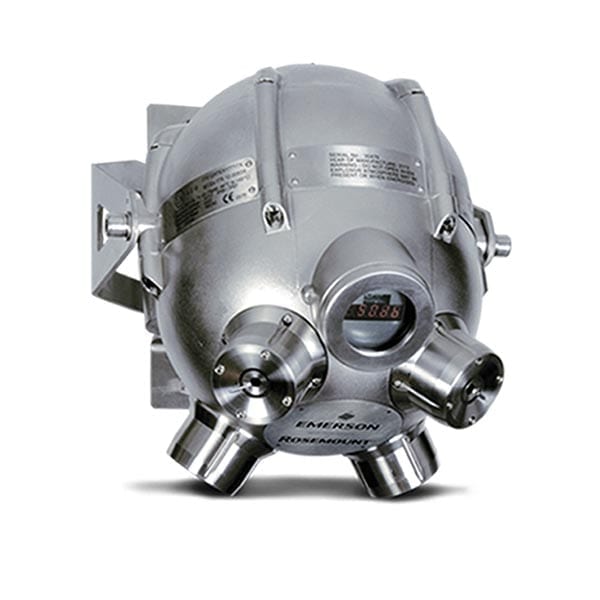
The Net Safety Incus Ultrasonic Leak Detector is designed for rapid, wide-area detection of pressurized gas leaks in outdoor and well-ventilated industrial environments. Instead of waiting for gas to accumulate or physically reach a sensor, the Incus detects the airborne ultrasound generated when pressurized gas is released, helping facilities identify leaks quickly in challenging conditions.
Using four ultra-sensitive acoustic sensor heads, the Incus continuously monitors for ultrasonic frequencies associated with high-pressure gas releases. This makes it especially useful in areas where wind, ventilation, gas dilution, stratification, or leak direction can make traditional point gas detection more difficult. The detector is not gas-specific and does not measure LEL or ppm; it responds to the ultrasonic signature produced by pressurized releases of toxic, combustible, or inert gases.
Engineered for harsh industrial environments, the Incus features a rugged stainless steel housing, IP66/IP67 and Type 4X ingress protection, HART communication, 4–20 mA output, configurable relays, and continuous electronic self-testing. It is well suited for industrial sites that need fast leak detection as part of a broader fire and gas safety strategy.
Available in BC, AB, and SK, Westech Industrial can support the Net Safety Incus Ultrasonic Leak Detector with product selection, service support, application guidance, and custom fabrication requirements for larger integrated fire and gas detection systems.
Quantity
PRODUCT FEATURES
REQUEST FOR INFORMATION
Description
Wide-Area Ultrasonic Leak Detection
The Incus monitors airborne ultrasound generated by pressurized gas leaks across wide industrial areas. Because it listens for leak sound, it does not wait for gas accumulation. It also does not need gas to contact the sensor directly. As a result, this ultrasonic gas leak detector supports fast detection in open and ventilated environments. It also performs well where wind, dilution, or leak direction can affect gas movement.
Four Independent Sensor Heads
The detector uses four multi-directional piezoceramic sensing heads to provide broad area coverage. Each sensor head operates independently and continuously monitors ultrasonic sound levels. Then, the detector bases its output on the highest level measured by any sensor. This design helps maintain coverage if one or more sensing heads experience a fault. In addition, the overlapping sensor arrangement helps reduce blind spots below and around the detector.
Fast Response to Pressurized Gas Releases
The Incus responds rapidly to ultrasound produced by pressurized gas releases. Therefore, it can help identify leaks before gas concentration becomes the main detection factor. This is especially important in outdoor areas where gas can disperse quickly. It also supports layered safety strategies alongside point gas, open path, and flame detection systems. Since it detects sound, it can respond to toxic, combustible, or inert gas releases.
Built for Extreme Conditions
The Incus is built for demanding industrial environments and harsh outdoor applications. The standard unit operates from -40°F to 185°F. A heated option is available for temperatures as low as -67°F, where applicable. In addition, the 316 stainless steel housing helps resist corrosion and industrial contamination. Its IP66/IP67 and Type 4X ratings also support use in wet and challenging environments.
Continuous Electronic Self-Test
The Incus performs an automatic electronic self-test every 320 milliseconds. This self-test checks sensor integrity and instrument health without interrupting detection. Therefore, the detector can continuously monitor for faults during normal operation. This diagnostic function helps support reliable performance in critical safety applications.
No Routine Field Calibration Required
Ultrasonic gas leak detection does not rely on gas concentration readings. Instead, the Incus detects the ultrasound created by pressurized gas releases. Because of this design, the sensors are factory calibrated and do not require routine field calibration. This helps reduce maintenance time and supports long-term detector reliability. Functionality checks can still confirm proper operation after installation or service.
Flexible Outputs for Safety System Integration
The Incus offers flexible integration with plant safety and control systems. It supports 4–20 mA analog output, HART communication, and configurable relay outputs. It also includes a stepped mA alarm output option for bi-state indication. As a result, facilities can integrate the detector into many fire and gas detection architectures. This flexibility helps support both standalone and system-based monitoring applications.
Programmable Alarm Settings
The Incus includes programmable alarm levels and delay settings. These settings help screen short-duration ultrasonic noise from intermittent unwanted sources. For example, facilities can reduce nuisance alarms from brief maintenance or process-related noise. At the same time, the detector continues monitoring for sustained ultrasonic levels. This helps the ultrasonic gas leak detector respond when a pressurized release remains above the alarm threshold.
Applications
The Net Safety Incus Ultrasonic Leak Detector is well suited for industrial environments where pressurized gas leaks may disperse quickly due to wind, ventilation, equipment layout, or open-air conditions.
Common applications include:
- Outdoor process areas
- Well-ventilated industrial facilities
- Oil and gas production sites
- Gas transportation systems
- Compressor and process equipment areas
- Offshore platforms
- Areas where point gas detectors or open path detectors may need additional detection coverage
- Facilities using a layered fire and gas detection strategy with ultrasonic, point gas, open path, and flame detection technologies
Documents

Manufacturer info
NET SAFETY/ROSEMOUNT offers the most comprehensive and advanced detection technologies available. It’s flame and gas detection products are designed to excel under the toughest conditions.