Jacoby-Tarbox UniShield® Window Protection, Shielding, and Fluoropolymer Lining (Clark Reliance)

Jacoby-Tarbox UniShield® window protection adds a fused PFA barrier to sight flow indicator and sight window glass. It protects window discs and cylinders in corrosive, turbulent, positive-pressure and vacuum applications.

The fused construction covers the glass surface without the unsupported areas found in loose shields. As a result, UniShield helps reduce tearing, stress concentration and widespread exposure after permeation occurs. Its translucent appearance also lets operators identify localized changes before chemical attack compromises the glass.

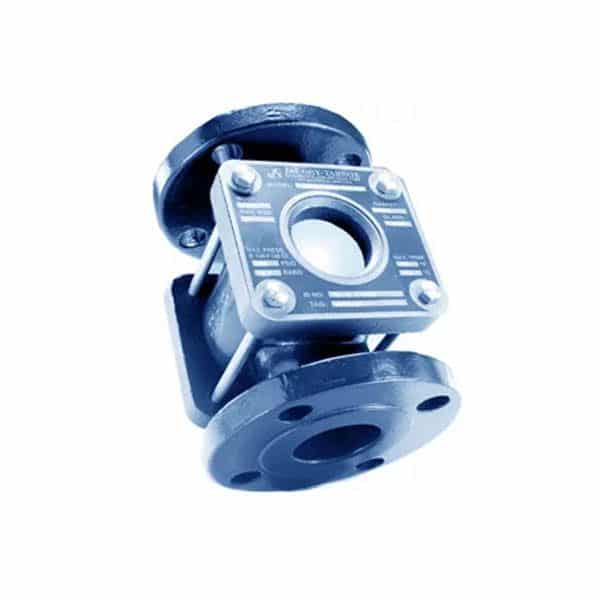
Jacoby-Tarbox can supply flanged sight flow indicators and sight windows with PFA, PTFE, ETFE, PVDF, Edathon or specialty fluoropolymer linings. These options help match the equipment to the piping materials, process media and operating conditions. These shielding and lining options can protect flanged bulls-eye sight flow indicators and sight windows while maintaining the original unit’s full ASME rating.

Westech Industrial supplies Jacoby-Tarbox UniShield window protection across Canada. Our team can review the process media, operating pressure, temperature, vacuum conditions and window design. Westech also provides product support, engineering services and custom fabrication for larger integrated process requirements.
Quantity

PRODUCT FEATURES

REQUEST FOR INFORMATION

Description

Fused PFA UniShield® Window Protection

UniShield® window protection and fluoropolymer lining options help protect sight flow equipment in corrosive and demanding services. Jacoby-Tarbox UniShield window protection uses 100% PFA fused over a clear catalytic primer. This construction creates a continuous protective barrier across the glass surface.

UniShield is available for both window discs and cylinders. It also supports positive-pressure and vacuum applications. Unlike loose shields, the fused coating has no unsupported areas near the gasket edges. Therefore, thermal cycling and changing process conditions are less likely to cause tearing.

Stable Performance in Vacuum and Turbulent Flow

Vacuum conditions can pull against unsupported areas of loose shielding. Over time, this concentrated force may damage the shield.

UniShield bonds directly to the glass and distributes loading across the surface. It also remains fixed during turbulent flow, changing temperatures and varying pressures. As a result, the shield avoids the repeated movement and fatigue associated with loose materials.

UniShield supports full vacuum through 3,000 psig. Its temperature range extends from -325°F to 500°F, while thickness ranges from 5 to 10 mils. Complete assembly limits may vary by equipment configuration.

Chemical Protection and Early Visual Warning

Borosilicate glass resists many common process chemicals. However, hydroxides, hydrofluoric acid, steam, phosphoric acid and caustic services above pH 7.5 can attack unprotected glass.

UniShield window protection places a PFA barrier between the process and the glass. Its translucent surface can also provide an early indication of permeation. A localized white dot may appear before the process affects the underlying glass integrity.

This protection suits corrosive vacuum service, high-viscosity fluids, polymers, concentrates, resin production and petrochemical or refining processes.

Support for Sticky and High-Viscosity Processes

UniShield can protect sight flow equipment handling high-viscosity fluids and difficult process materials. Suitable services include fatty processes, polymers, bulk resin production, concentrates and petrochemical or refining applications.

These media can create demanding operating conditions for conventional glass and loose shields. Therefore, fused PFA shielding provides another option for protecting the observation window while maintaining process visibility.

UniShield® Window Protection and Fluoropolymer Lining Options

Jacoby-Tarbox also offers loose PFA/FEP, PCTFE and mica shields. Flanged sight flow indicators and sight windows can use PFA, PTFE, ETFE, PVDF, Edathon or specialty fluoropolymer linings.

Available lining constructions include powder-coated PFA, bonded ETFE, replaceable linings and moulded PTFE. Depending on the construction, pressure capabilities range from 250 psig to 3,750 psig. Maximum temperatures range from 324°F to 500°F.

Carbon steel provides the standard substrate for several lining types. Stainless steel is also available for cryogenic service and corrosive atmospheres. Replaceable linings are limited to models 830-F-TFE, 830-FD-TFE, 860-F-TFE and 5005-DW-TFE.

Westech can help compare shielding and lining options based on the process media, pressure, temperature, vacuum conditions and equipment model.

Applications

Jacoby-Tarbox UniShield window protection supports processes that challenge standard borosilicate glass or loose shielding. It can protect both disc and cylindrical windows across many industrial applications.

  • Chemical processing involving hydroxides, hydrofluoric acid or phosphoric acid
  • Steam and caustic processes above pH 7.5
  • Full-vacuum vessels and process lines
  • Vacuum process tanks
  • Pump-induced low-pressure conditions
  • High-viscosity fluid processing
  • Polymer and bulk resin production
  • Fatty processes and concentrates
  • Petrochemical and refining operations
  • Corrosive sight flow indicator applications
  • Fluoropolymer-lined piping and process systems
  • Bulls-eye and tubular sight flow indicators
  • Industrial sight windows and observation ports

Documents

Jacoby-Tarbox UniShield Window Protection_Brochure_Nov2021_Westech.pdf

Manufacturer Info

Clark-Reliance® Corporation is a global leader in the level indication and control, sightflow indication, filtration and separation industries. The company’s well-known brands constitute the broadest line of level instrumentation for boilers and other equipment found in utilities, refineries, chemical processing and other industries. Website: https://www.clarkreliance.com/
SPECS

Product
Jacoby-Tarbox UniShield® Window Protection
Shield Material
100% PFA
Construction
PFA powder coating fused over a clear catalytic primer
Colour
Translucent
Pressure Capability
Full vacuum to 3,000 psig
Temperature Range
-325°F to 500°F
Shield Thickness
5 to 10 mils
Window Forms
Discs and cylinders
Typical Window Configurations
Bulls-eye indicators, sight windows, TFE-lined indicators, FM dual sight windows, tubular indicators and applicable UniGlas assemblies
UniGlas ASME Rating
Protection options can maintain the original full ASME rating of flanged bulls-eye sight flow indicators and sight windows
Loose Shielding Options
PFA/FEP, PCTFE and mica
Fluoropolymer Lining Materials
PFA, PTFE, ETFE, PVDF, Edathon and specialty fluoropolymers
PFA and Specialty Fluoropolymer Application
Powder coating applied over a catalytic primer
PFA and Specialty Fluoropolymer Substrate
Carbon steel standard; stainless steel available for cryogenic service and corrosive atmospheres
PFA and Specialty Fluoropolymer Pressure
Full vacuum to 3,750 psig / 258 bar
PFA and Specialty Fluoropolymer Maximum Temperature
500°F / 260°C
PFA and Specialty Fluoropolymer Thickness
20–30 mils
ETFE Bonded Lining Application
Rotational lining applied over an adhesive layer
ETFE Bonded Lining Substrate
Carbon steel standard; stainless steel available for cryogenic service and corrosive atmospheres
ETFE Bonded Lining Pressure
Full vacuum to 3,750 psig / 258 bar
ETFE Bonded Lining Maximum Temperature
324°F / 180°C
ETFE Bonded Lining Thickness
60–120 mils
Replaceable Lining Application
Machined to allow assembly into the part over gasketing
Replaceable Lining Substrate
Carbon steel standard; stainless steel available for cryogenic service and corrosive atmospheres
Replaceable Lining Pressure
0 to 1,480 psig / 102 bar
Replaceable Lining Maximum Temperature
450°F / 232°C
Replaceable Lining Thickness
62–90 mils
Replaceable Lining Models
830-F-TFE, 830-FD-TFE, 860-F-TFE and 5005-DW-TFE only
PTFE Molded Lining Application
Blow moulded to follow the contours of the substrate
PTFE Molded Lining Substrate
Ductile iron
PTFE Molded Lining Pressure
0 to 250 psig / 17.2 bar
PTFE Molded Lining Maximum Temperature
450°F / 232°C
PTFE Molded Lining Thickness
90–120 mils
Service Types
Positive pressure and vacuum
Loose Shielding Alternatives
PFA/FEP, PCTFE and mica
Availability
Canada-wide through Westech Industrial

PRODUCT FAQ's

What is Jacoby-Tarbox UniShield window protection?
UniShield is a fused PFA shield for sight flow indicator and sight window glass. Jacoby-Tarbox applies the PFA over a clear catalytic primer. The process creates a continuous, translucent protective surface.
How does UniShield differ from a loose glass shield?
Loose shields have unsupported sections near the gasket edges. These areas can experience concentrated stress during thermal cycling, vacuum service and turbulent flow. UniShield bonds directly to the glass. Therefore, it distributes loading across the protected surface and reduces the risk of tearing at unsupported edges.
Can UniShield operate under vacuum?
Yes. UniShield supports both positive-pressure and vacuum service. Its published pressure range extends from full vacuum to 3,000 psig. Westech should still confirm the complete assembly rating for the selected sight window or sight flow indicator.
What temperature range does UniShield support?
The UniShield specification covers temperatures from -325°F to 500°F. However, the body, glass, gaskets, connections and other components may have different limits.
Which chemicals can attack unprotected borosilicate glass?
Known challenging services include hydroxides, hydrofluoric acid, steam, phosphoric acid and caustic processes above pH 7.5. UniShield adds a PFA barrier between these media and the glass.
How does UniShield provide an early warning of permeation?
The translucent PFA can show point permeation as a white dot. This localized change alerts operators before the underlying glass integrity becomes compromised.
Can UniShield protect cylindrical glass?
Yes. Jacoby-Tarbox offers UniShield for both window discs and cylinders. This flexibility supports bulls-eye, tubular and other suitable sight flow configurations.
What other shielding options does Jacoby-Tarbox offer?
Available alternatives include loose PFA/FEP, PCTFE and mica shields. The correct option depends on the media, temperature, pressure, vacuum conditions and window configuration.
Which fluoropolymer linings are available?
Jacoby-Tarbox offers PFA, PTFE, ETFE, PVDF, Edathon and specialty fluoropolymer linings for flanged sight flow indicators and sight windows. Available constructions include powder-coated PFA, bonded ETFE, replaceable linings and moulded PTFE. Material and construction availability depend on the equipment model and operating requirements.
Are all lining types available on every Jacoby-Tarbox model?
No. Lining availability depends on the sight flow indicator or sight window design. For example, replaceable linings are limited to models 830-F-TFE, 830-FD-TFE, 860-F-TFE and 5005-DW-TFE. Westech can confirm which lining constructions are available for the selected model.
What information does Westech need to select a suitable option?
Westech can help compare UniShield, loose shielding and fluoropolymer lining options for your application. Our team reviews the process media, concentration, temperature, pressure, vacuum conditions and equipment configuration. We can then help identify a suitable option for the sight flow indicator or sight window.
Can Westech support existing Jacoby-Tarbox equipment?
Yes. Westech can review existing sight flow indicators and sight windows to identify suitable shielding, lining, window or replacement options. The team can also provide technical coordination and ongoing product support.
Does Westech offer custom fabrication for larger projects?
Yes. Westech provides engineering, integration and custom fabrication for broader process requirements. These capabilities can support packaged systems, control panels, instrumentation and other field-ready industrial solutions.