Boiler Sight Glass Visibility: Why Clear Level Indication Matters in Steam Systems
In boiler applications, level indication is one of the most important pieces of information available to operators. Whether the system is used in power generation, oil and gas, utilities, or industrial processing, the ability to clearly confirm boiler water level supports safer operation, faster decision-making, and more reliable maintenance planning.
When a boiler sight glass or water gauge is difficult to read, the issue may seem minor at first. However, poor visibility can increase inspection time, reduce operator confidence, and create unnecessary uncertainty in a critical steam system.
For facilities operating in Canada’s energy sector, reviewing boiler sight glass visibility can be a practical step toward improving safety, reliability, and long-term maintenance performance.
Why Boiler Sight Glass Visibility Matters
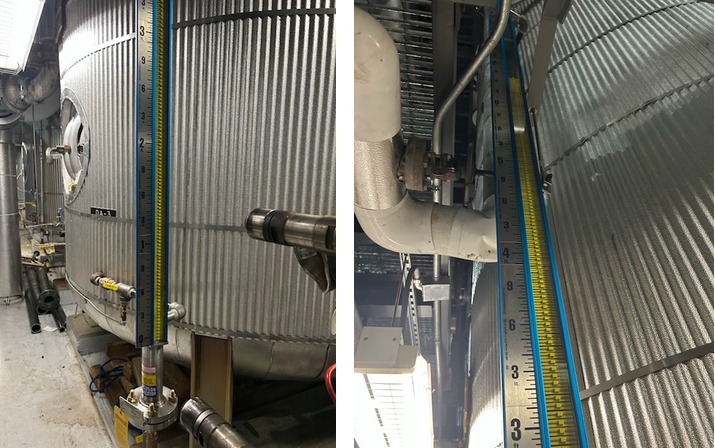
A boiler sight glass, also known as a gauge glass or water gauge, provides direct visual indication of the boiler drum water level. This direct reading helps operators confirm whether the water level is within the proper operating range.
Clear boiler sight glass visibility is especially important because water level conditions can affect both safety and performance. Low water conditions can create serious equipment risks, while high water levels may contribute to carryover into the steam system. Operators need to be able to see the level clearly so they can respond with confidence.
In demanding steam environments, visibility may be affected by lighting conditions, viewing angle, age of equipment, gasket condition, glass clarity, or maintenance wear. Over time, these issues can make an existing gauge system harder to read, even if it is still technically in service.
Common Signs a Boiler Gauge System Should Be Reviewed
A boiler water gauge does not always need to fail completely before it becomes a concern. In many cases, visibility and maintenance issues build gradually.
Facilities may want to review their boiler level indication equipment if they are seeing:
- Reduced visibility through the gauge glass
- Difficulty reading the boiler water level from the normal operator location
- Frequent gasket replacement or leakage concerns
- Thermal fatigue or wear on older ported gauge systems
- Visibility that changes depending on lighting conditions
- Additional inspection time required to verify readings
- Inconsistent confidence between direct-reading and supplemental indicators
- Recurring maintenance on aging gauge glass equipment
These signs do not always mean a full replacement is required, but they are worth investigating. In boiler applications, clear level indication should not be treated as optional.
What a Clark-Reliance Case Study Shows
A Clark-Reliance case study involving a Canadian thermal power generation facility highlighted many of these common challenges. The facility was experiencing ongoing maintenance and visibility issues with traditional ported water gauge systems, including gasket failures, limited visibility, and thermal fatigue. Operators also reported difficulty reading water levels clearly under varying lighting conditions.
Clark-Reliance Simpliport Case Study - .pdf
To address these issues, Clark-Reliance recommended the Reliance Simpliport® 180, a high-visibility boiler water gauge designed to improve readability, durability, and maintenance access in demanding applications. The case study notes features such as 360° illumination, high-contrast red/green indicators, borosilicate glass, rugged metal frames and shields, and a quick-change design for faster, safer maintenance.
Clark-Reliance Simpliport Case Study - .pdf
For Westech customers, this is a useful example because it shows how visibility and maintenance concerns can often be addressed by reviewing the application, operating conditions, and installed equipment rather than simply continuing to replace components on an aging system.
Not Every Boiler Needs the Same Solution
Boiler sight glass visibility should always be reviewed in the context of the application. A system that works well in one facility may not be the right fit for another.
When reviewing a boiler level indication setup, it is important to consider:
- Operating pressure and temperature
- Viewing distance and operator
- location
- Lighting conditions around the boiler
- Maintenance access
- Existing water column and gauge glass configuration
- Applicable codes and site standards
- Whether supplemental indicators are being used appropriately
- How often parts are being replaced or serviced
The goal is not always to replace equipment. The goal is to make sure the boiler level indication system supports safe, clear, and practical operation.
The Role of Direct-Reading Boiler Level Indication
Supplemental level indication can be valuable, but it should not be used to compensate for a direct-reading gauge that is difficult to see or maintain.
Direct visual indication remains a critical part of boiler operation because it allows operators to physically confirm the water level. If the sight glass is unclear, damaged, poorly lit, or difficult to interpret, the entire indication strategy becomes less reliable.
This is why boiler sight glass visibility should be included in regular maintenance reviews, outage planning, and safety discussions.
Free Boiler Surveys from Westech Industrial

Westech Industrial offers complimentary boiler surveys for Canadian facilities that want to review their existing boiler level indication and control equipment.
A boiler survey can help assess:
- Boiler sight glass and gauge glass condition
- Water column configuration
- Drum level indication equipment
- Visibility and readability concerns
- Maintenance challenges
- Potential upgrade options
- Application fit for pressure, temperature, and operating requirements
As the exclusive Canadian supplier for Clark-Reliance, Westech can also help facilities evaluate solutions such as the Reliance Simpliport® 180 where improved boiler sight glass visibility, easier maintenance, or upgraded boiler water level indication may be beneficial.
Improve Visibility Before It Becomes a Bigger Issue
Boiler level indication is too important to overlook. If operators are struggling to read the water level, if maintenance teams are repeatedly dealing with gasket or visibility issues, or if an older gauge system is creating unnecessary inspection time, it may be time to take a closer look.
A boiler survey can help identify whether your current setup is still supporting safe and reliable operation, or whether improvements should be considered.
To schedule a complimentary boiler survey or speak with a Westech technical expert, contact Westech Industrial or visit our boiler solutions page.